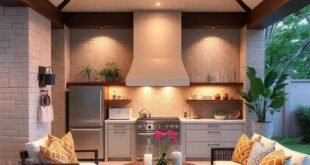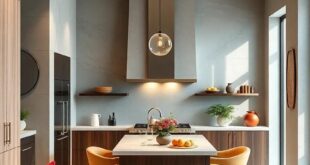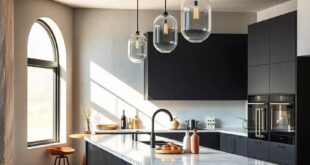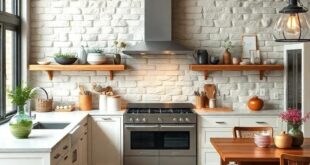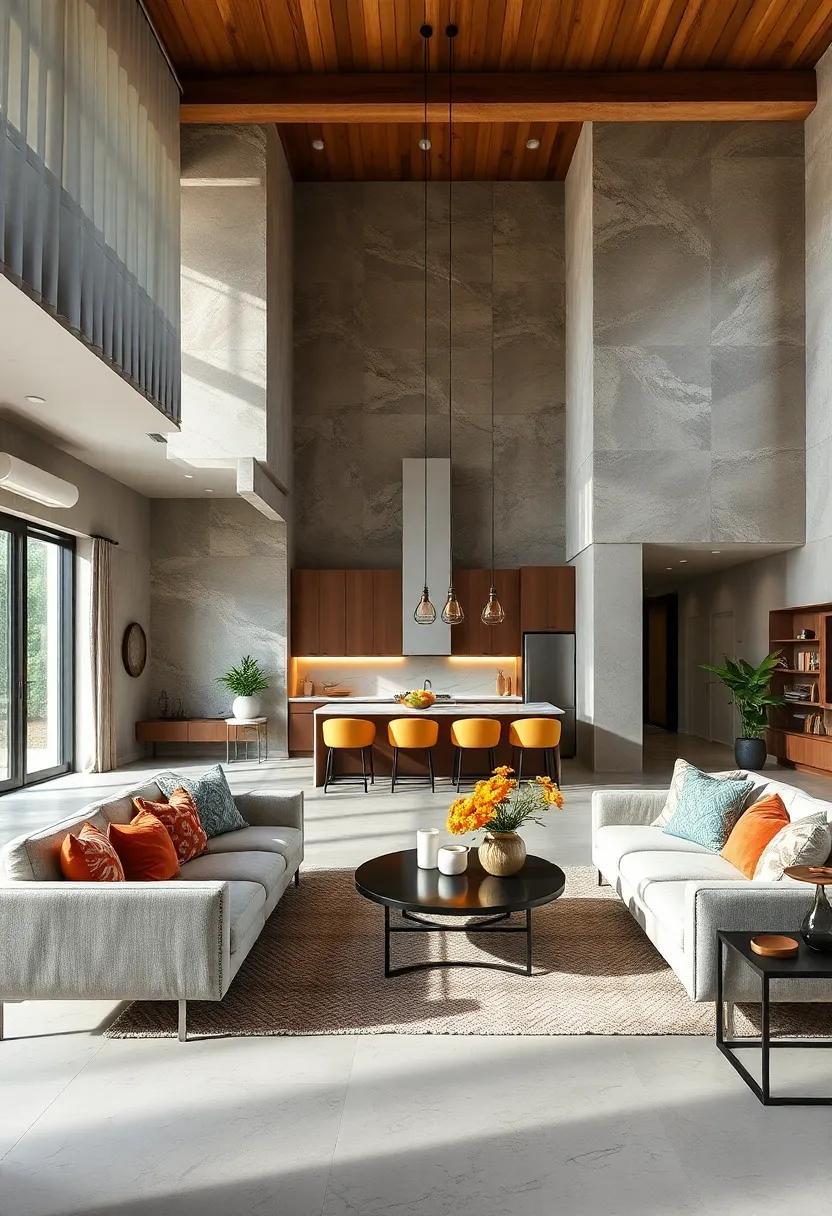
Are you ready to transform your living space into a harmonious blend of style and functionality? An open concept kitchen and living room design offers an abundance of possibilities, creating a fluid space that encourages connection and creativity. In our listicle, “,” we invite you to explore a curated selection of design tips, innovative layouts, and decor ideas that will elevate the heart of your home. Whether you’re looking to maximize space, enhance flow, or simply inject a fresh sense of style, these 25 ideas will provide you with the inspiration you need to craft a welcoming environment perfect for culinary adventures and cozy gatherings alike. Dive in and discover how you can transform your open concept area into a stunning reflection of your personal aesthetic!
Embrace Natural Light: maximize windows and choose sheer curtains to enhance brightness and create an inviting atmosphere
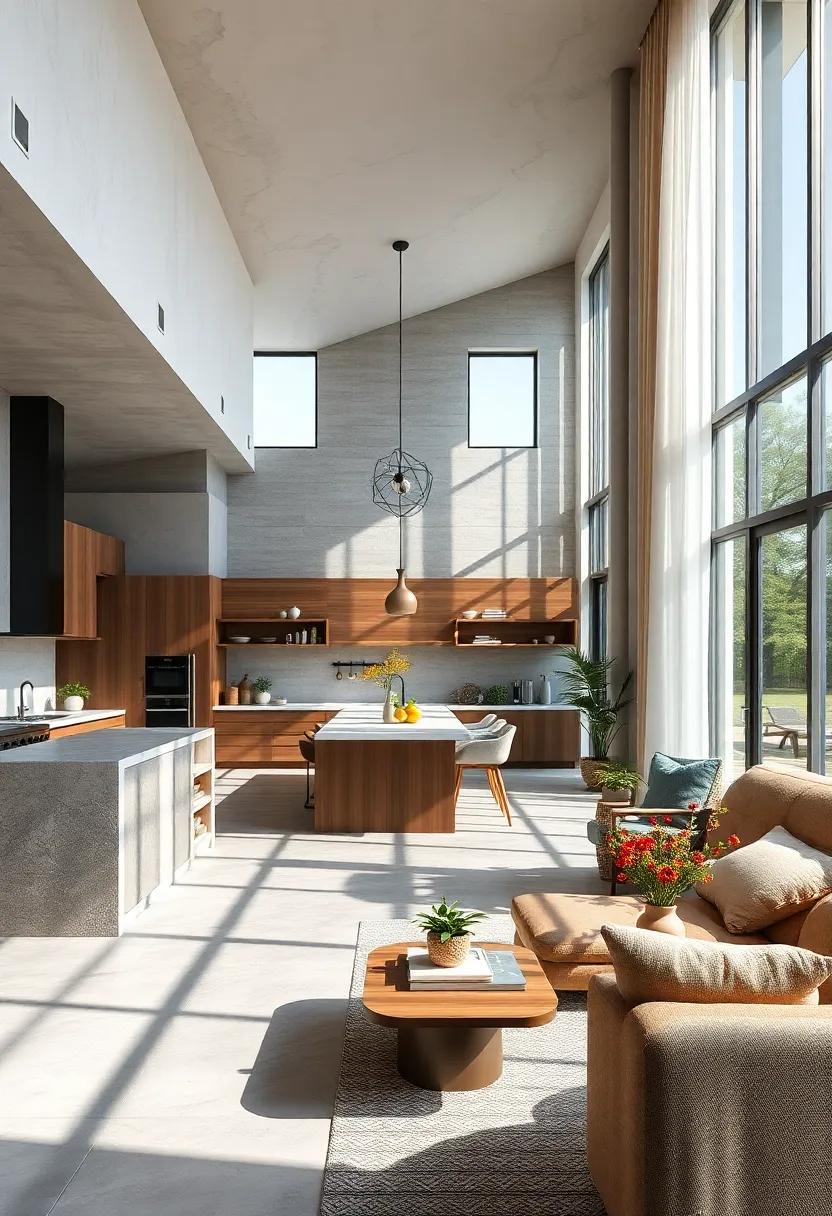
Harnessing the power of natural light can transform your open concept kitchen and living room into a sun-drenched oasis. When considering your window design, opt for large, unobstructed panes that invite the daylight in, making the most of your space. A strategic layout that places windows in key areas can visually expand your rooms and create a seamless flow between the kitchen and living areas. Complement this architectural choice with sheer curtains that filter light gently, allowing that warm glow to spill throughout your home without compromising privacy. The airy fabric accents not only enhance brightness but also contribute to a cozy ambiance, making your space feel open and inviting.
Incorporating a variety of window treatments can further amplify the effect of natural light. Consider pairing sheer curtains with reflective surfaces—such as glossy countertops or light-colored cabinetry—to bounce the sunlight around the room.This technique minimizes shadows and highlights your design elements, creating a luminous and energetic atmosphere. Additionally,using subtle color palettes in earthy tones or soft pastels can enhance the light’s quality,preventing it from being absorbed by heavy hues. Here’s a rapid overview of how different elements can work in tandem:
| Element | Effect on Light |
|---|---|
| Large Windows | Maximize daylight entry |
| Sheer Curtains | Diffuse and soften light |
| Glossy Surfaces | Reflect and amplify brightness |
| Light Color Palette | Enhance light quality and vibrance |
Define Spaces with Rugs: Use area rugs to delineate different areas within the open concept space while adding warmth and texture
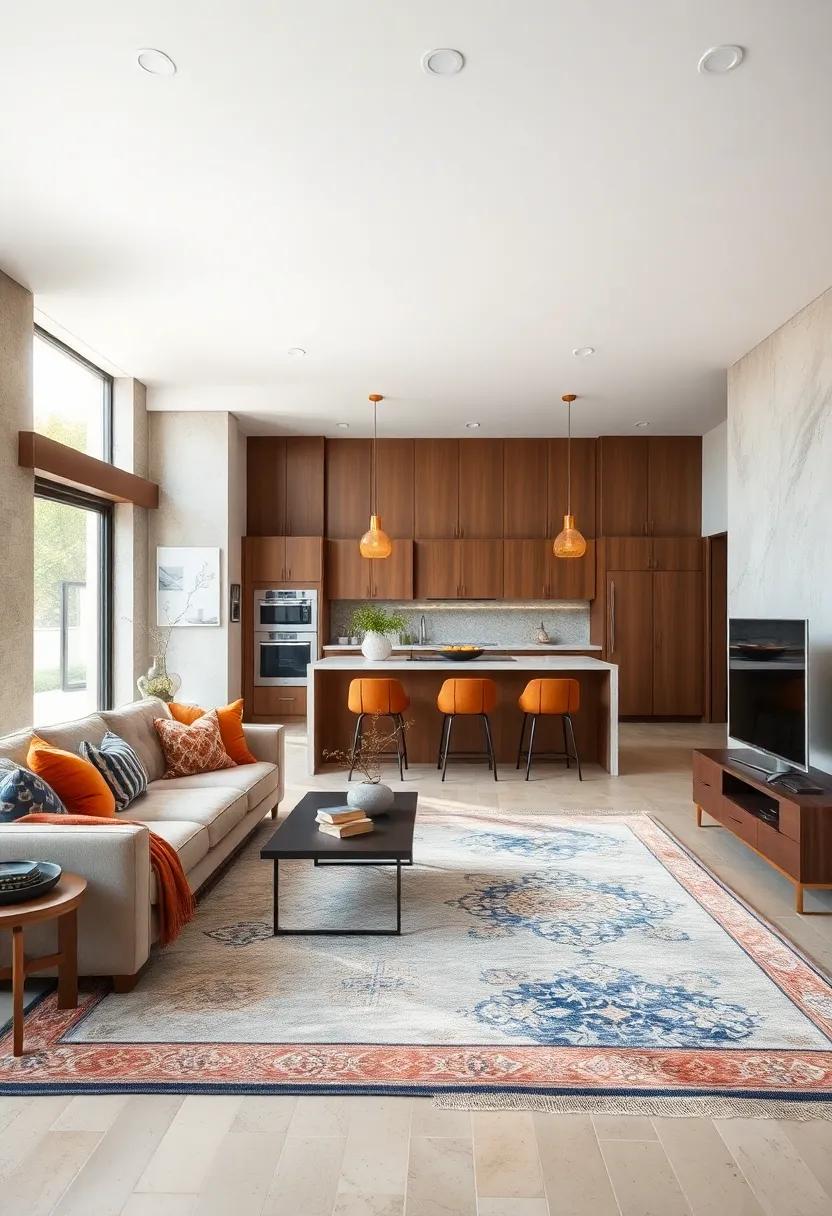
Transforming an open concept space with area rugs can create a stunning visual impact while also enhancing functionality. by strategically placing rugs, you can effectively designate distinct zones such as a cozy seating area or a dining nook within a larger space. Consider using contrasting colors or patterns to differentiate each area, allowing the eye to flow naturally from one section to another. For example, a soft, neutral rug in the living area can be paired with a bold, geometric-patterned rug in the kitchen, providing both style and clear separation between the two environments.
Additionally, rug placement contributes to the overall texture and warmth of your design. to maximize the effect,select area rugs that are not only pleasing to the eye but also pleasant underfoot. Look for options that feature materials such as wool, cotton, or blended fibers, which can withstand high traffic while keeping the space inviting.Experiment with layering rugs—placing a smaller decorative rug atop a larger, more durable one can add depth and visual interest. The result is a harmonious blend of style and comfort that invites guests to linger in your beautifully defined areas.
Cohesive Color Palette: Select a harmonious color scheme that flows throughout the kitchen and living room to create a seamless connection
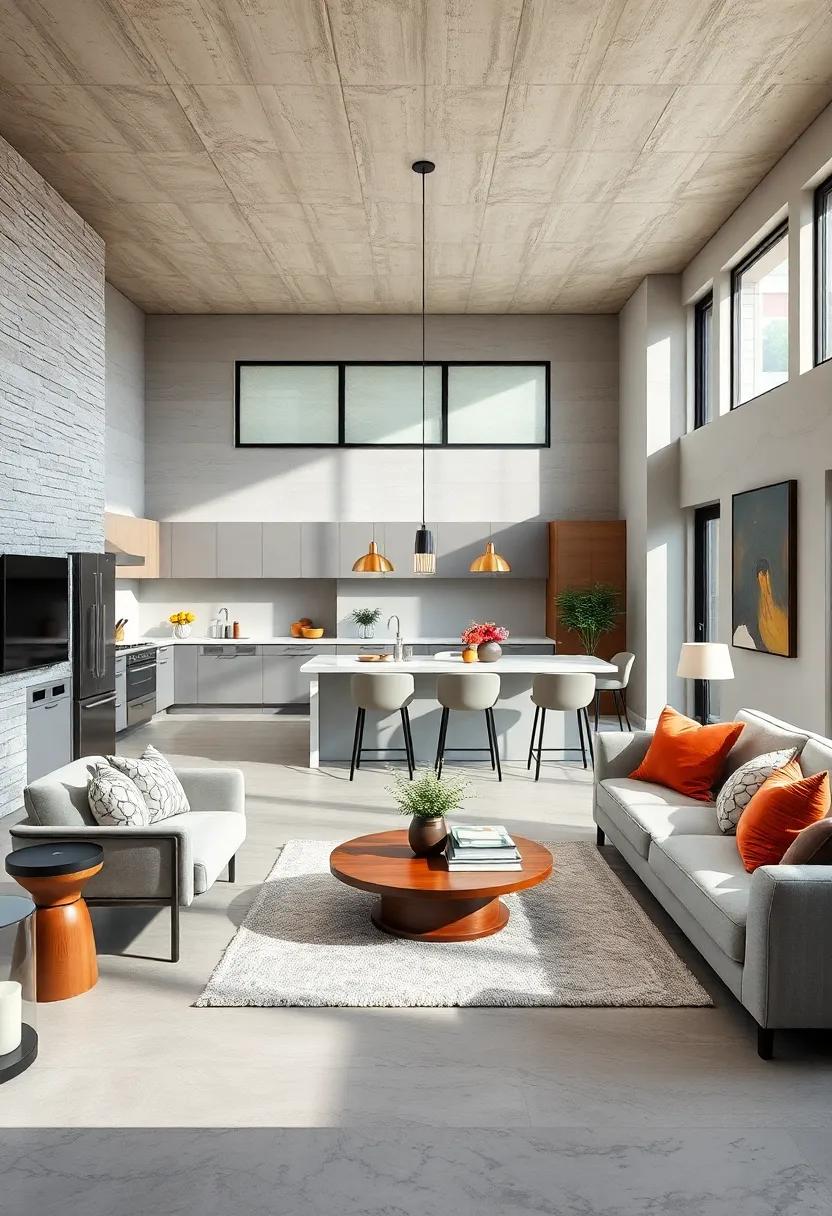
Creating a cohesive color palette is crucial for establishing a harmonious atmosphere that seamlessly unites your open concept kitchen and living room. Start by choosing a base color that can run throughout both spaces; this might be a soft beige,a cool gray,or a lovely pastel. Then,add complementary shades that enhance this base,pulling in tones from your furniture,countertops,and even decor items. Consider introducing bold accents in smaller areas,such as cushions,artwork,and kitchen accessories,to inject a touch of personality while keeping the overall look unified.
To effectively implement your color scheme, explore a variety of materials and textures that align with your chosen palette. Such as, incorporate wooden accents in lighter or darker shades to bring warmth into the space. You may also want to use stainless steel or matte black finishes in appliances to create a modern feel. additionally, consider integrating colorful elements found in plants or decorative bowls to break up neutral tones. Use the following table as a reference for successful color combination ideas:
| Base Color | Complementary Colors | Accent Colors |
|---|---|---|
| Soft Beige | Warm Greys, Cool Whites | Deep Green, Mustard Yellow |
| Cool Gray | Sky Blue, Charcoal | Coral, Rich plum |
| Pale Pastel | Dusty Rose, Light Mint | Vibrant Teal, Soft Gold |
Multi-Functional Furniture: Invest in furniture that serves multiple purposes, such as ottomans with storage or extendable dining tables for versatility
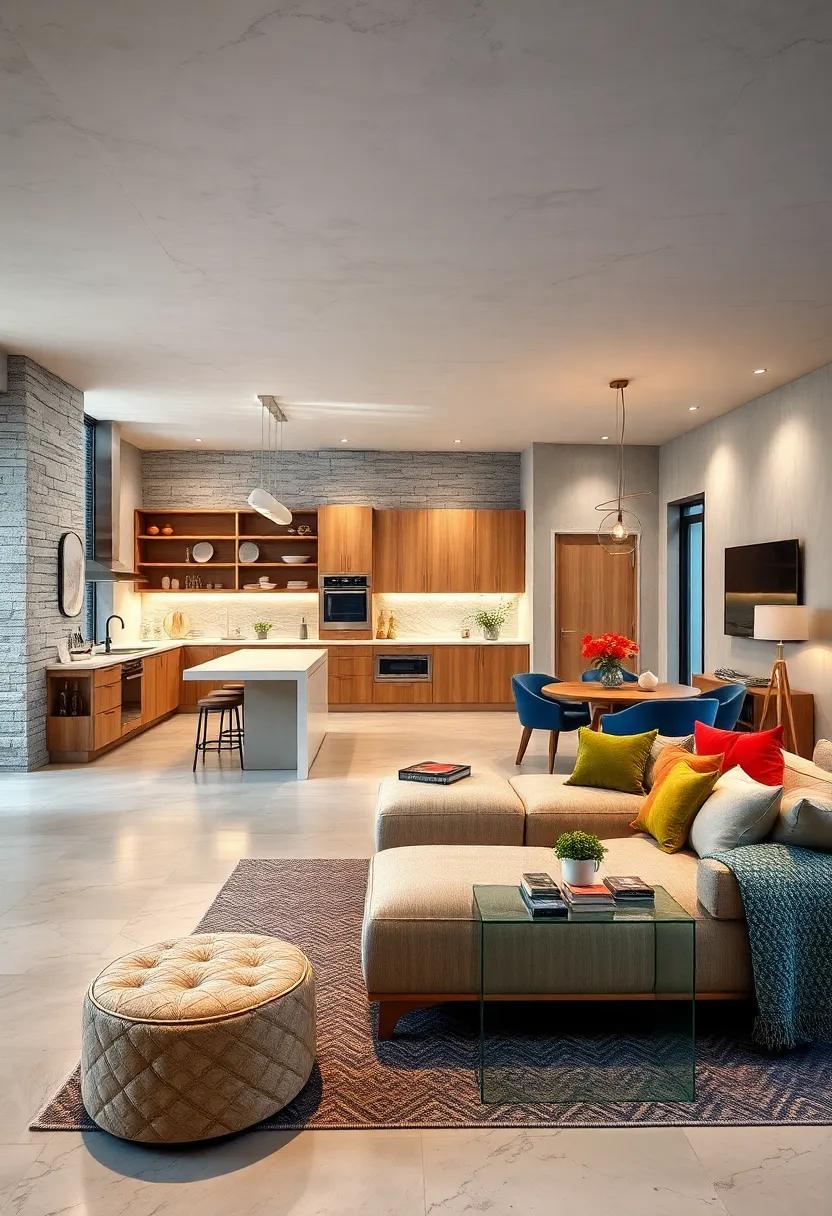
In a space where every square foot counts, investing in multi-functional furniture can transform your open concept kitchen and living room into a model of efficiency and style. Consider incorporating pieces like an ottoman with hidden storage that can serve as both a footrest and a chic coffee table, ideal for stashing those extra throw blankets or books. Another excellent option is an extendable dining table, which can seamlessly accommodate dinner parties or cozy family meals while easily retracting for day-to-day living. This versatility not only enhances functionality but also creates room for versatility in your design layout.
As you curate your selections, think about how each piece will fit into your existing decor and lifestyle. Items such as nested side tables can be spread out when entertaining guests, then tucked away when not in use, maximizing both space and style. moreover, investing in a sofa bed can effortlessly turn your living room into an overnight guest haven without compromising on aesthetic appeal. Here’s a quick table to summarize some ideas:
| Furniture Piece | Primary Function | Bonus Feature |
|---|---|---|
| Ottoman | Seating/Footrest | Storage |
| Extendable Dining Table | Dining Surface | Space-Saving |
| Nested Side Tables | Surface/Storage | Versatile Arrangement |
| Sofa Bed | Sitting/Sleeping | Guest Accommodations |
Statement Lighting Fixtures: Install bold pendant lights or oversized fixtures that act as focal points, elevating the overall design of the space
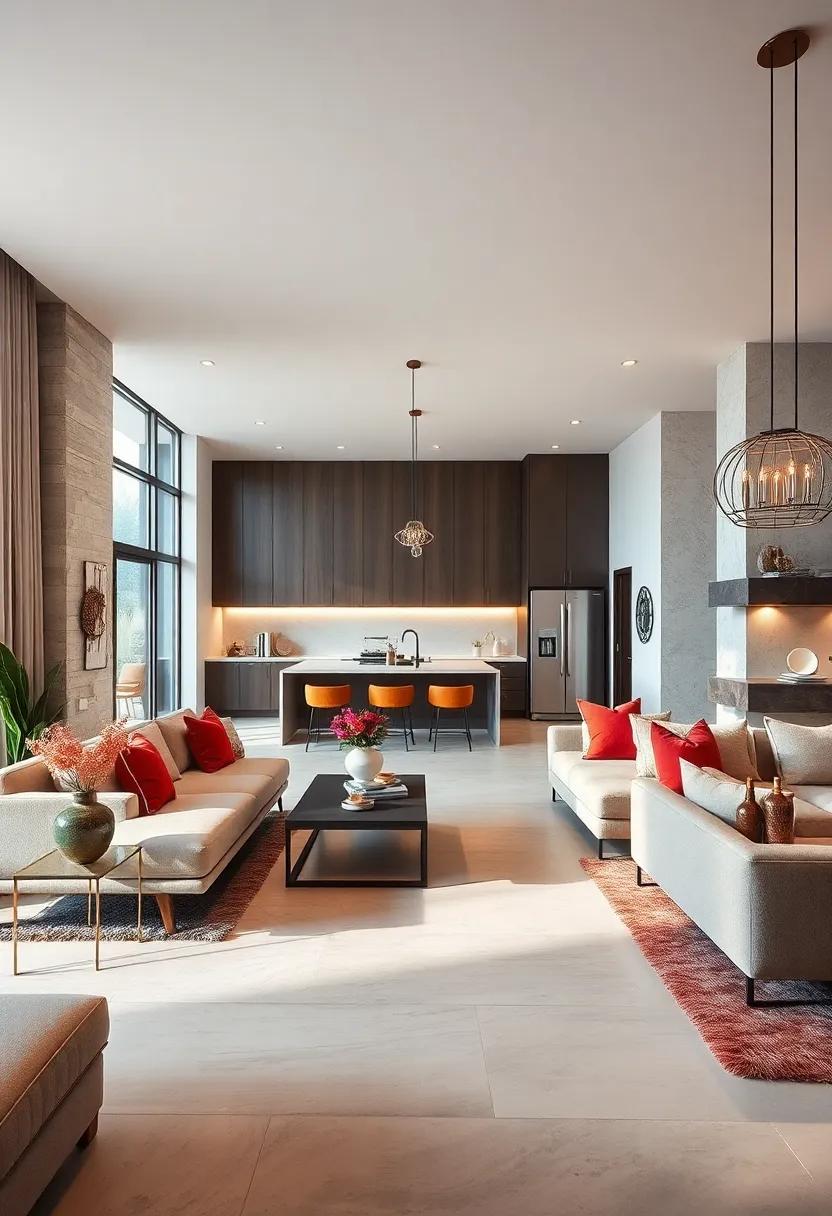
Transform your open concept kitchen and living room into a statement-making haven by incorporating bold pendant lights or oversized fixtures. These eye-catching elements can act as the design’s centerpiece, drawing attention and enhancing the overall aesthetic of the space. Consider using fixtures with unique shapes, finishes, or colors that contrast or complement your existing decor. whether it’s a cluster of geometric pendants or an intricate chandelier, these lighting choices serve not only to illuminate but also to express your personal style.
When selecting your statement lighting, think about the scale and placement to ensure maximum impact. Large fixtures can fill empty vertical space and create a sense of drama, while multiple smaller lights can add warmth and character to your kitchen island or dining area. Here are some tips to consider:
- Layered lighting: Mix different light sources, including ambient, task, and accent lighting.
- Color Coordination: Choose shades that tie in with your room’s palette for a cohesive look.
- Dimmer Switches: Install dimmable fixtures to adjust mood lighting for various occasions.
| Fixture Type | Style | Best For |
|---|---|---|
| Pendant Lights | Modern, Vintage | Kitchen Islands, Dining Tables |
| Chandeliers | Elegance, Rustic | Dining Areas, Living Rooms |
| Flush Mounts | Contemporary | Low Ceilings, Hallways |
Open Shelving: Opt for open shelving in the kitchen to display beautiful dishware and decorative items, fostering a sense of openness and accessibility
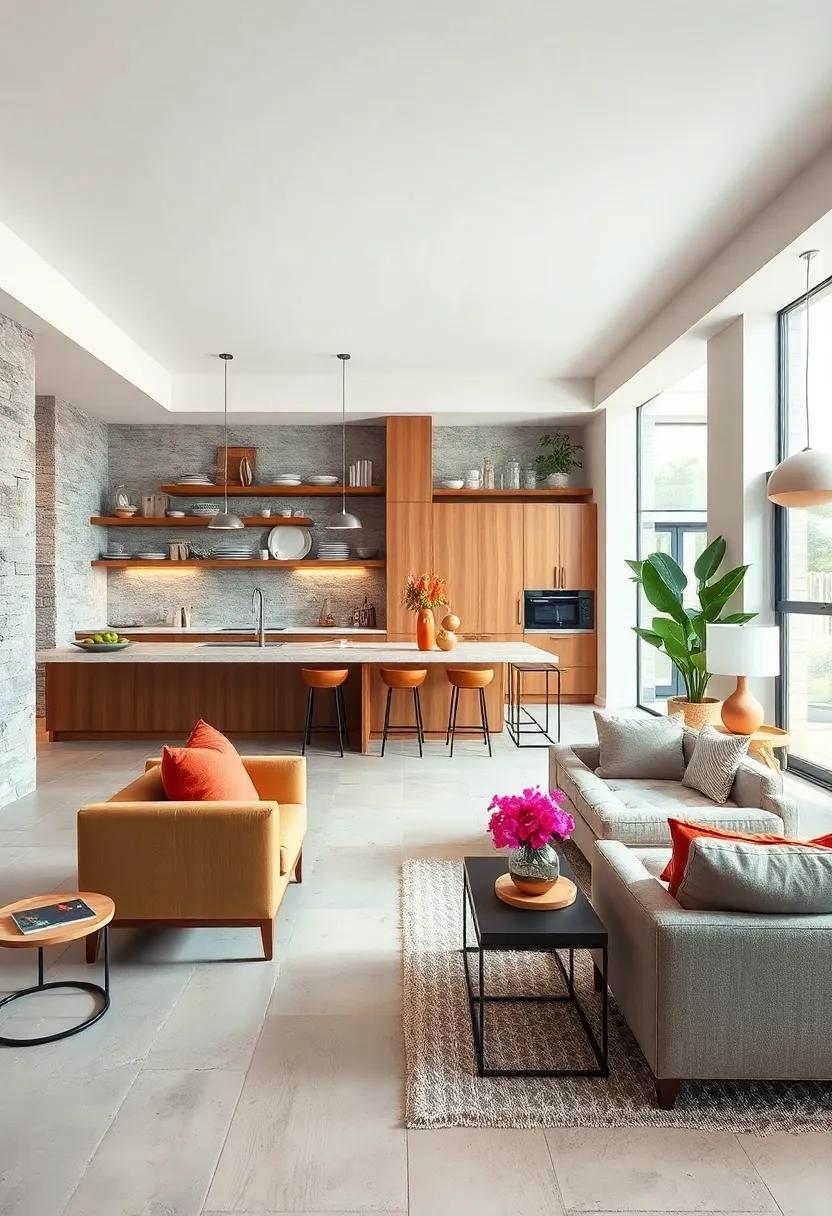
Embrace the beauty of open shelving in your kitchen to create a warm and inviting atmosphere that encourages sharing and interaction. By displaying your finest dishware and decorative items, you can transform functional storage into a stunning focal point. Opt for shelves made of natural materials, such as reclaimed wood or metal, to add texture and warmth. Consider pairing your dishware with decorative baskets or plants to create a well-rounded aesthetic that reflects your personality.
To make the most of your open shelving, try incorporating a few of these design tips:
- Color Coordination: Group items by color for a cohesive look that adds vibrancy.
- Layering: Use varying shelf heights to create depth and avoid visual monotony.
- Curated Collections: Showcase a curated selection of your favorite dishes, glasses, and cookbooks for an organized yet relaxed vibe.
- Seasonal Decor: Change out items based on seasons or holidays to keep the space feeling fresh and engaging.
Create a Focal Point: Designate a striking feature, such as a fireplace or an accent wall, to draw attention and anchor the space
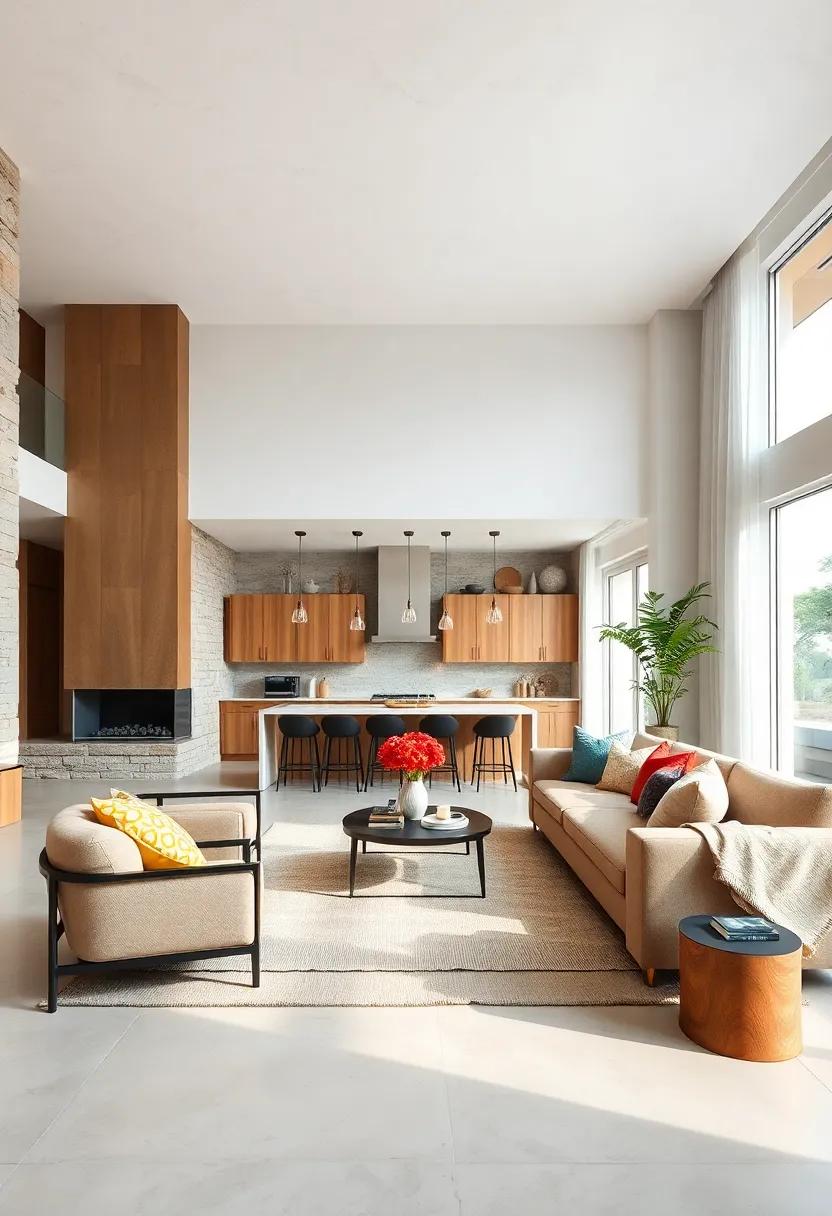
Transforming an open-concept kitchen and living room into a cohesive space can be achieved by designating a striking feature that serves as the visual anchor of the area. A bold accent wall painted in a deep hue or adorned with textured wallpaper can instantly elevate the aesthetic, guiding the eye and creating a sense of warmth. Alternatively, consider a dramatic fireplace; its flickering flames or unique design can marry both spaces beautifully, offering not only style but also an inviting ambiance. Adding artistic elements such as floating shelves or built-in lighting around these focal points can enhance their impact and infuse the space with personality.
Here are some captivating ideas to consider when creating your focal point:
- Gallery Wall: Use art and photos to create a stunning display that draws attention.
- Statement floor Tiles: Unique flooring can create a seamless transition between the kitchen and living room while captivating visitors.
- Pendant Lights: Hang bold lighting fixtures over the dining area or kitchen island to create a striking visual impact.
- Natural Elements: Incorporate a living wall or indoor plants near the focal point for a fresh, organic touch.
Use a Kitchen Island: Incorporate a kitchen island for additional counter space and as a gathering spot for family and friends
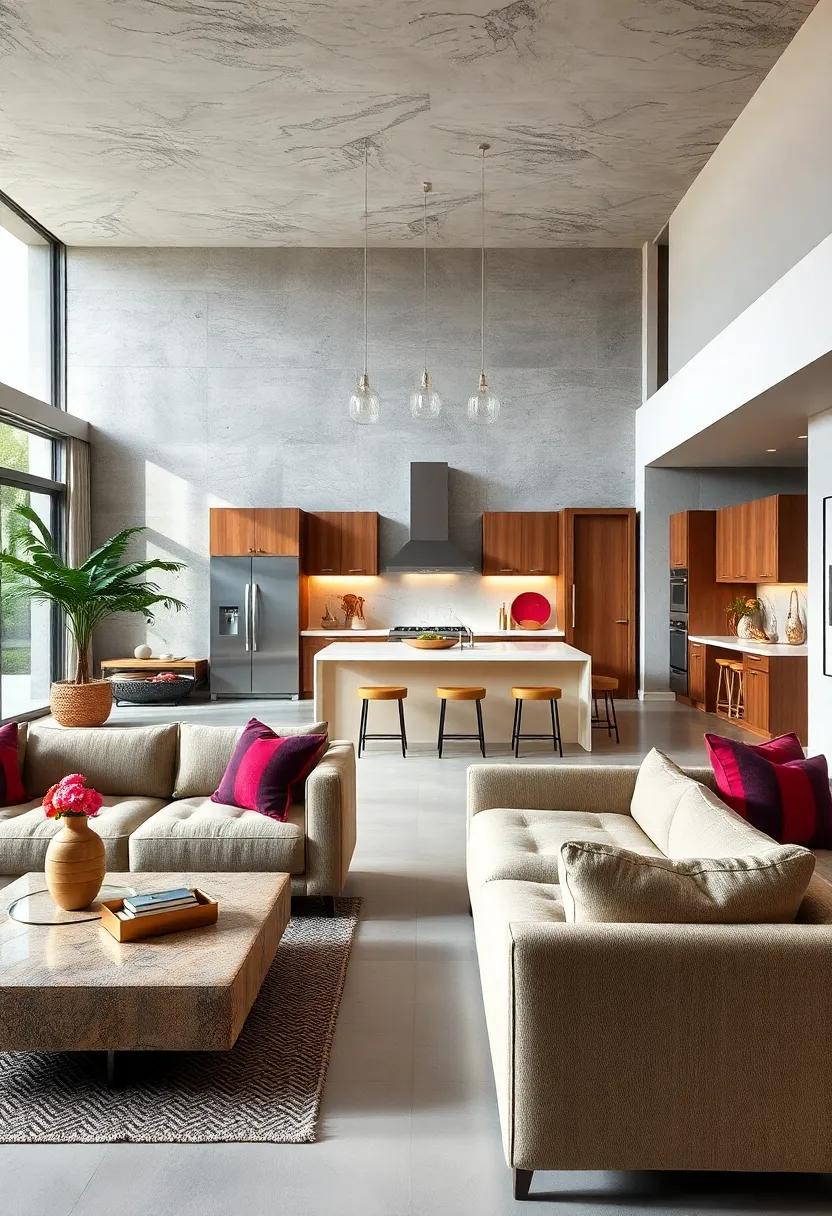
Incorporating a kitchen island into your open concept space not only enhances functionality but also serves as the heart of your home. With additional counter space, islands allow for smoother food planning and cooking experiences, making it easier to entertain family or guests. Consider these features to elevate the utility of your kitchen island:
- multi-Level Design: Create a designated prep area that is slightly higher or lower than the eating space to add visual interest and practicality.
- Integrated Storage: Utilize cabinets or shelves beneath the island to keep culinary essentials and cookbooks organized yet accessible.
- Seating Options: Add bar stools or comfortable chairs around the island for casual dining or casual chats while you cook.
- built-In Appliances: Incorporate a wine cooler or microwave into the island to keep the countertop clear and increase efficiency.
Not just a practical addition, the kitchen island can also function as a social hub. It invites friends and family to gather, whether for a quick breakfast or a weekend dinner party. Explore these ideas to enhance the sociability of your kitchen island:
- open layout: Ensure the island is open to the living room area to encourage conversation and interaction.
- Visual Appeal: Use striking materials or colors that draw the eye, such as a bold countertop or decorative pendant lights.
- Cooking Together: Design the island with a layout conducive to collaboration, allowing multiple people to participate in meal prep.
- Built-In Technology: Why not install USB ports or wireless charging stations on the island for convenience while entertaining?
Flowing Traffic Patterns: Plan furniture layouts that promote easy movement throughout the space, ensuring a fluid connection between kitchen and living room
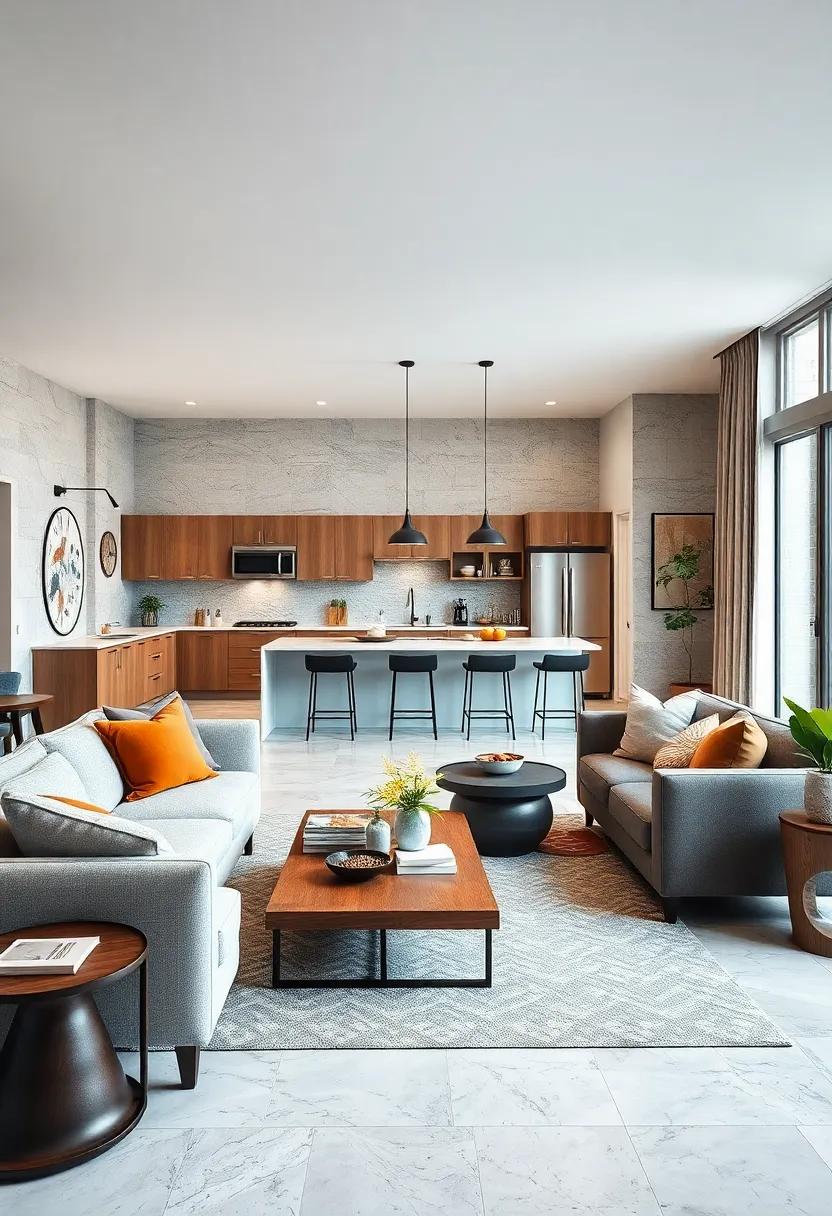
Creating a cohesive flow between your kitchen and living room enhances both functionality and aesthetics. consider versatile furniture arrangements that allow for smooth transitions and encourage interaction. Sofas positioned diagonally can subtly guide guests from one area to another,while multifunctional furniture,like ottomans with hidden storage,can be easily moved to accommodate gatherings or daily activities. Large area rugs can serve as visual anchors, delineating spaces without creating barriers, promoting a sense of unity in your design.
Utilize furniture that encourages natural movement, especially between busy zones. Place dining tables close to kitchen entries to create an effortless dining experience,facilitating easy plate transfer. Implement open shelving or glass cabinets not only for storage but also to visually connect both areas. Consider a defined traffic pattern for access—an L-shaped seating arrangement invites guests in without blocking paths, ensuring that the heart of your home remains a welcoming space for both cooking and entertaining.
Incorporate Greenery: Regularly add plants or herbs to bring a lively touch of nature indoors and purify the air
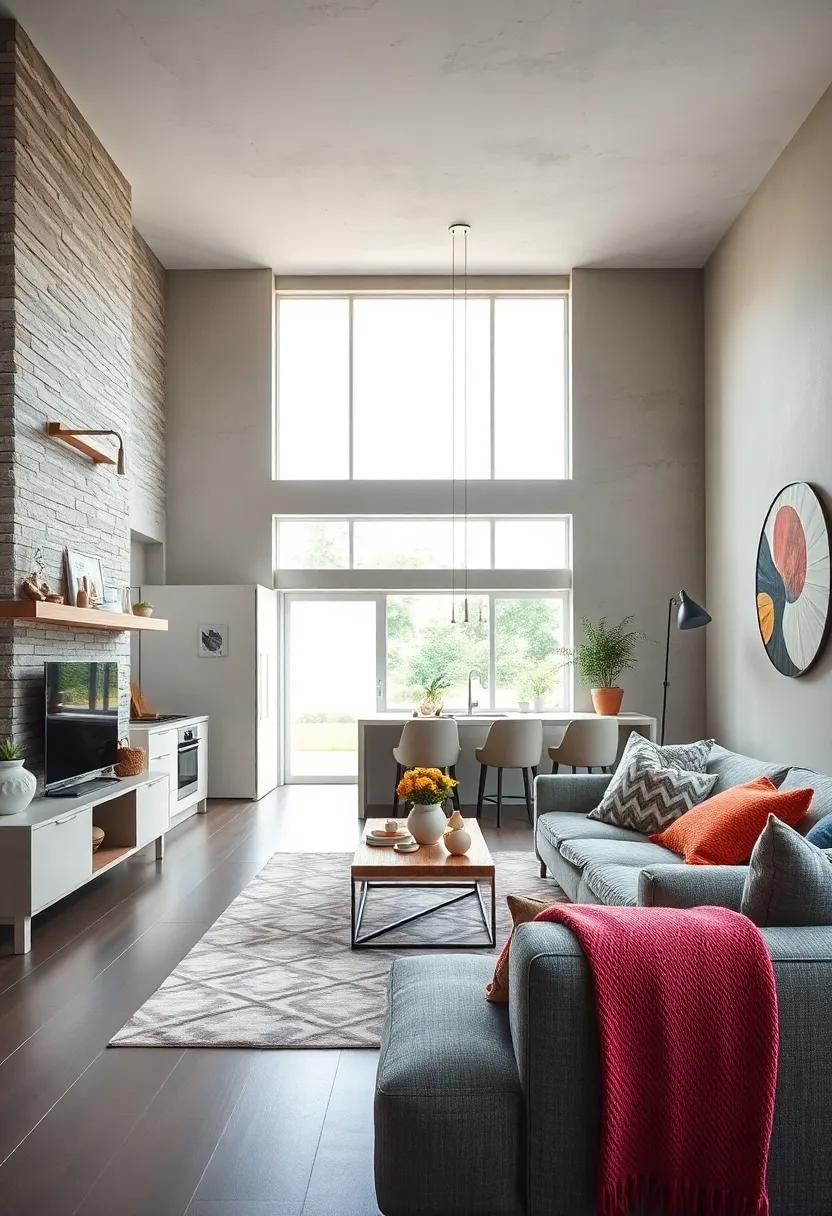
Bringing plants into your open concept kitchen and living room not only enhances the visual appeal but also creates a fresh atmosphere. Choose a variety of indoor plants that thrive in natural light, and consider unique placements to make a statement. You can:
- Hang planters: Utilize wall space by hanging vibrant planters filled with cascading greenery.
- Create a herb garden: A small, dedicated space in the kitchen can hold your favorite culinary herbs, offering convenience and a delightful aroma.
- Use vertical gardening: A vertical wall of plants adds texture and draws the eye upward,enhancing the sense of space.
To purify the air and improve overall well-being, consider the addition of hardy plants known for their air-purifying properties. Some effective options include:
| Plant | Benefits |
|---|---|
| Spider Plant | Removes pollutants like formaldehyde and xylene. |
| Pothos | Excellent for beginners; thrives in low light and improves air quality. |
| Peace Lily | Great for bedrooms; helps filter out ammonia and benzene. |
Textural Variety: Mix materials like wood, metal, and soft textiles to create an engaging and visually diverse environment
Elevate your open concept kitchen and living room by incorporating a dynamic mix of materials that engage the senses. Combining elements like natural wood, sleek metal, and soft textiles can create a harmonious yet visually stimulating environment. Imagine sleek stainless steel kitchen appliances paired with rustic wooden cabinetry, which not only adds warmth but also introduces a tactile element that draws the eye. Layer soft textiles, such as plush throw pillows or a cozy rug, to balance the cooler surfaces and provide a sense of comfort amidst the rigidity of metals and woods.
Your design can also benefit from textural contrasts through thoughtful accents. Try incorporating a woven jute rug alongside a glass coffee table, or hang a striking metal sculpture above a wooden mantel. These contrasts can transform the space into a lively setting, inviting interaction and conversation.Additionally, integrating diverse textures can lead to unique focal points. Consider a combination of elements in the following table:
| Material | Characteristics | Suggested Use |
|---|---|---|
| Wood | warm, organic, versatile | Cabinetry, shelves, furniture |
| metal | Crisp, modern, durable | Appliances, fixtures, artwork |
| Textiles | Soft, inviting, colorful | Cushions, throws, drapes |
Open Concept Decor Themes: Choose a decor style, like modern minimalism or rustic charm, that is consistent across your kitchen and living room
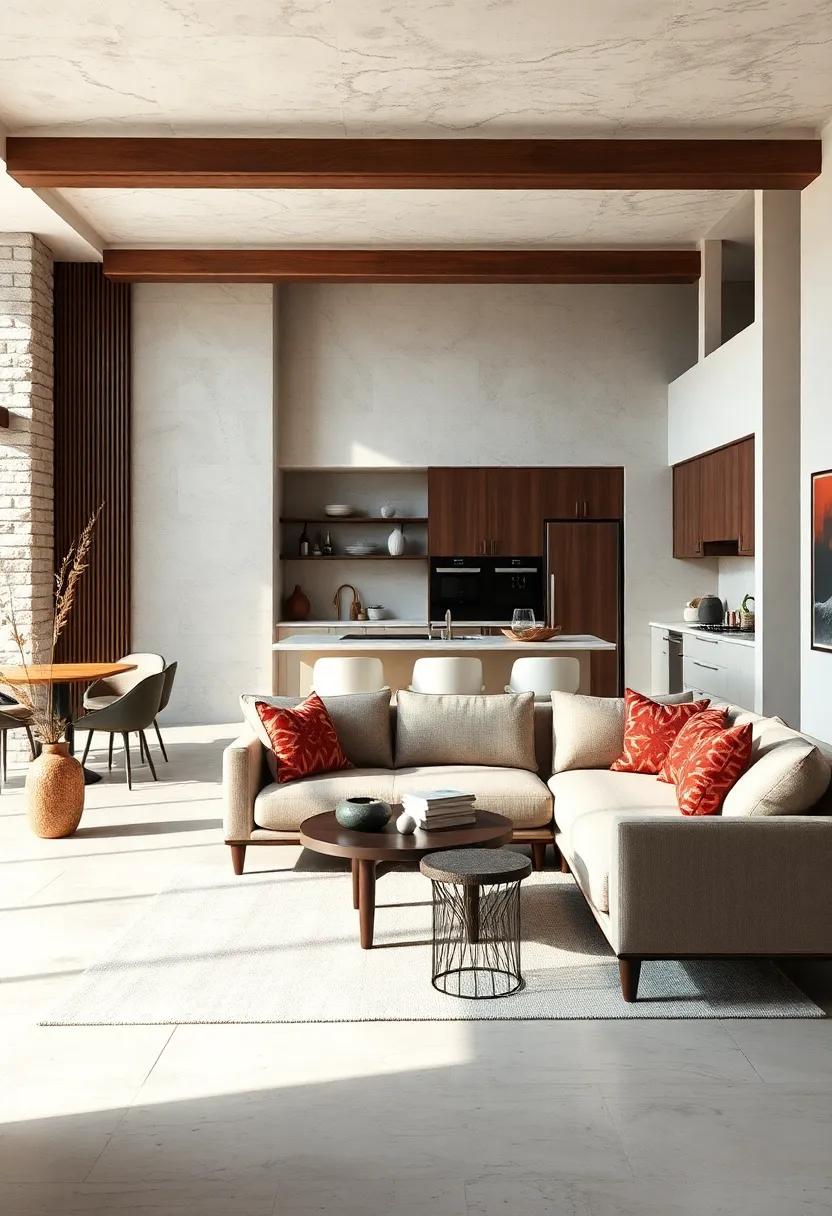
Choosing a cohesive decor style is essential for creating a harmonious flow between your kitchen and living room. Modern minimalism, characterized by clean lines and a neutral color palette, creates an airy ambiance that can effortlessly connect the two spaces.Consider using materials like glass, metal, and natural wood to maintain simplicity while adding warmth. Items like sleek bar stools or a minimalist dining table can serve as focal points, bridging the gap between the cooking and living areas.
On the other hand, rustic charm brings warmth and coziness, perfect for creating an inviting atmosphere. Think reclaimed wood beams, natural stone countertops, and earthy tones to invoke a sense of comfort. Incorporate eclectic decor elements such as vintage signage or handmade pottery to add character. Plants, woven baskets, and soft textiles can enhance this theme, providing a seamless transition from the kitchen’s nurturing vibe into the living room’s relaxation zone.
Built-in Seating Areas: Create cozy nooks with built-in benches or banquettes for additional seating while maximizing space
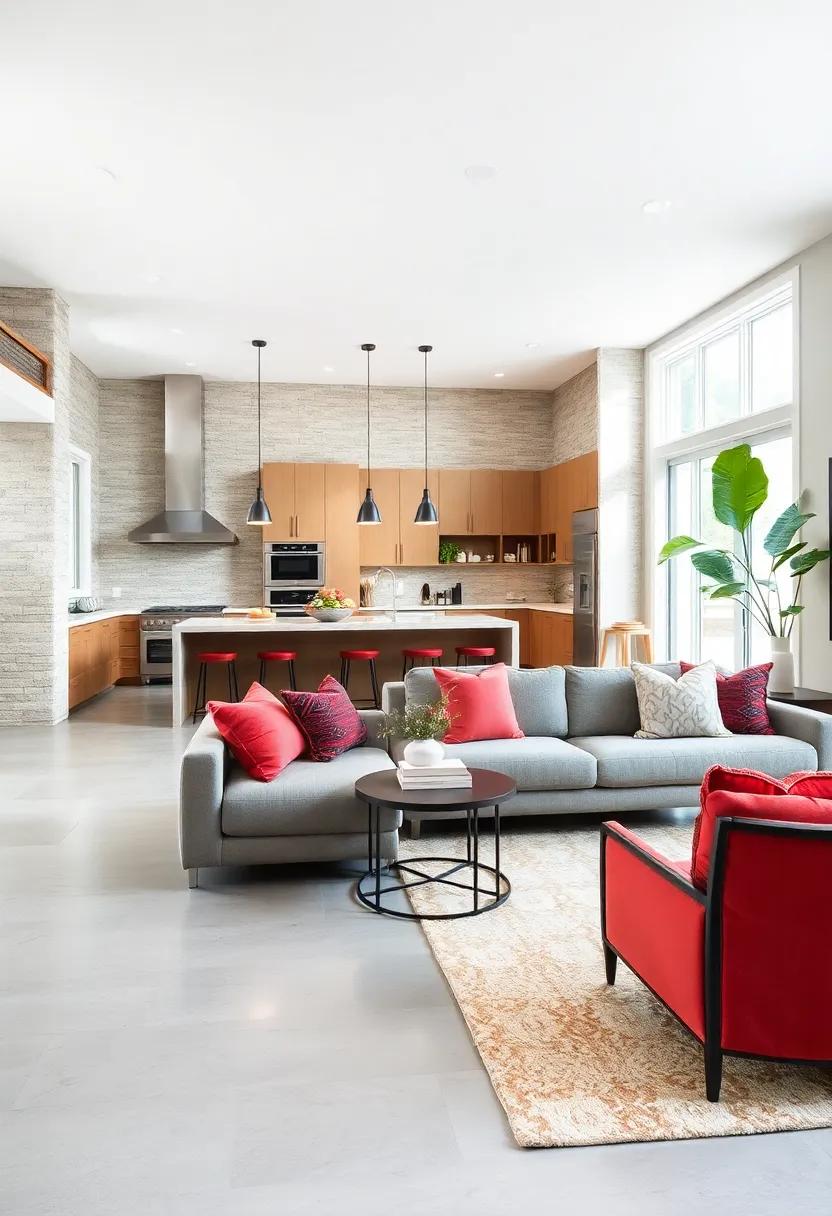
Transform your open concept space into a haven of comfort and functionality with the addition of built-in seating areas. These cleverly designed nooks not only provide extra seating but also create intimate spots perfect for relaxation or conversation. Consider adding built-in benches along the walls in your kitchen or living room, offering a seamless integration with your existing decor.They can be cushioned for comfort and adorned with decorative pillows to invite guests to sit and linger.Alternatively, a banquette in a dining nook can serve as a striking focal point while optimizing space, letting you squeeze in additional diners without sacrificing style.
When designing your built-in seating, think about incorporating storage solutions to enhance practicality. For example, you can build seats with drawers underneath or add a lift-top feature to store blankets or board games. A cozy built-in area can also include adjustable shelves above for books or decor, further personalizing the space. Experiment with different finishes and materials, such as wood or upholstered options, to match your home’s aesthetic. Consider these design tips:
- Choose a color palette that complements your surrounding decor.
- Incorporate soft lighting to set a warm and inviting mood.
- Mix textures with cushions and throws for added warmth.
- position seating strategically to define spaces within the open layout.
Concealed Appliances: choose appliances with a panel-ready design to blend seamlessly into cabinetry, reducing visual clutter
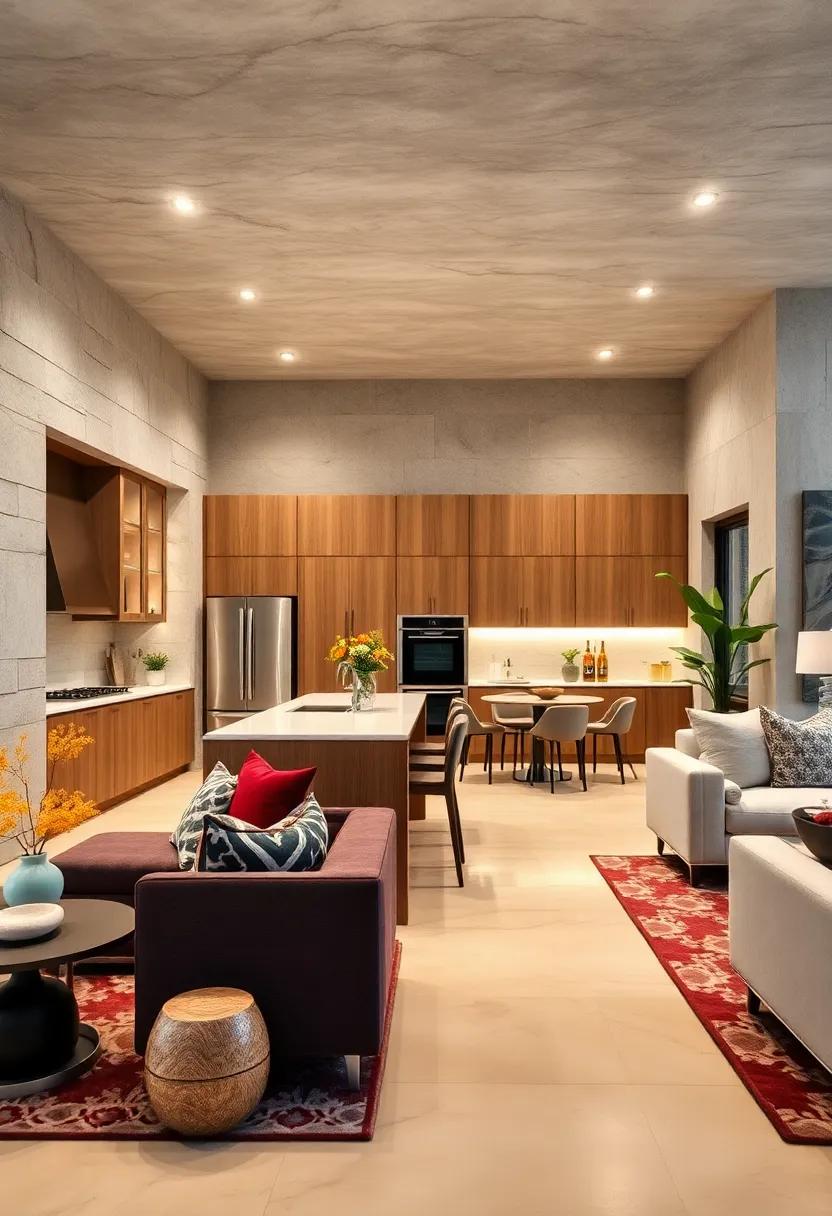
In the quest for a streamlined and complex open concept kitchen, incorporating appliances that blend effortlessly into cabinetry is key. With panel-ready designs, refrigerators, dishwashers, and even microwaves can be customized to match your cabinetry, creating a uniform look that minimizes visual clutter. Choosing this approach not only enhances your kitchen’s aesthetic appeal but also elevates the overall atmosphere of your living space, promoting a sense of tranquility and association. Think of it as merging form and function: sleek lines and seamless finishes allow the design of your kitchen to shine, without distractions from bulky appliances.
When selecting panel-ready appliances, consider the following features to maximize functionality and style:
- Customizable Panels: Opt for appliances that allow you to attach panels that mimic your cabinetry.
- Integrated Handles: Look for models with built-in or concealed handles to keep surfaces smooth and uninterrupted.
- Color Harmony: Choose finishes that complement your kitchen’s color palette—soft whites, muted grays, or natural wood tones work well.
- Energy Efficiency: Don’t compromise on performance; select energy-efficient models that are both stylish and environmentally friendly.
To illustrate the impact of concealed appliances, here’s a quick comparison of traditional versus panel-ready setups:
| Feature | Traditional appliances | panel-Ready Appliances |
|---|---|---|
| Visual Impact | Dominant and distracting | Streamlined and cohesive |
| Customization | Limited options | Highly customizable |
| Integration | Stand-alone look | Seamless cabinetry integration |
Accent Walls: Paint or wallpaper one wall in a bold color or pattern to inject personality without overpowering the overall design
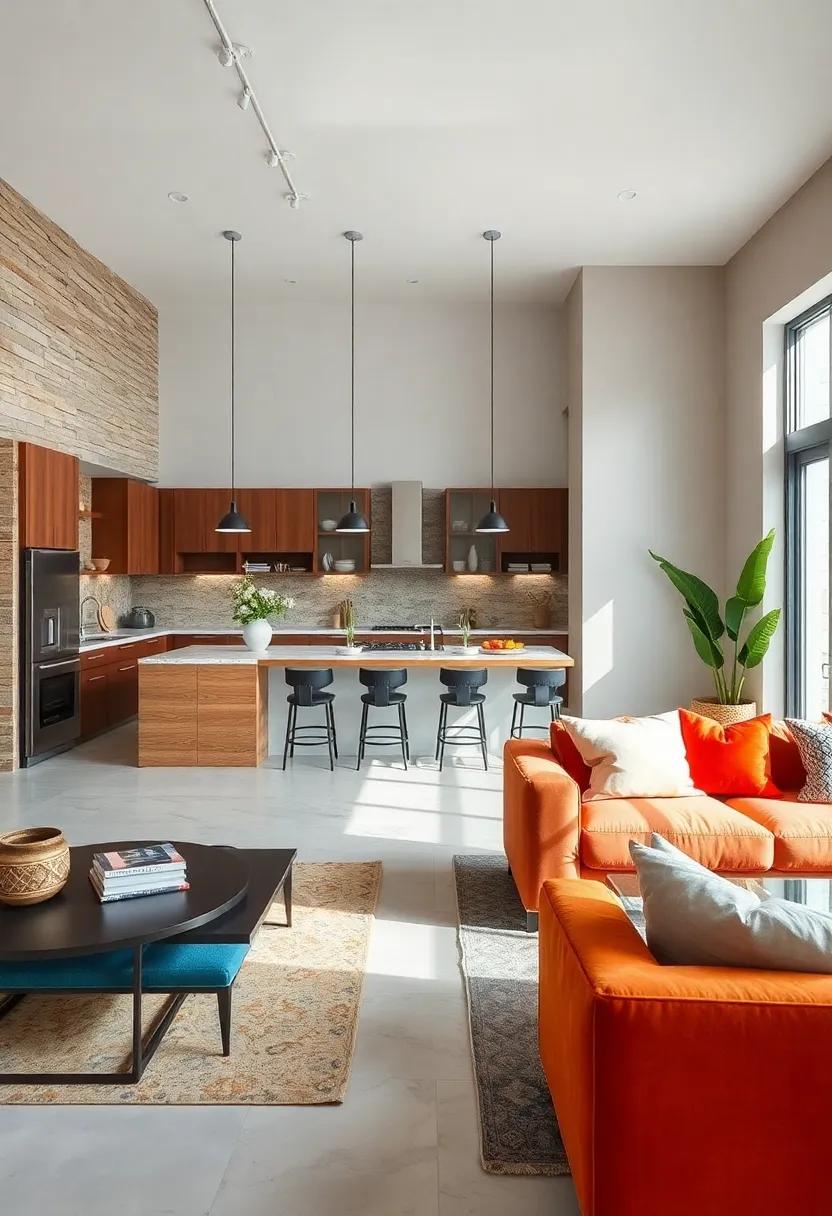
transforming your space frequently enough hinges on one standout feature, and an accent wall can be just the ticket to breathe life into an open concept kitchen and living room. Opt for a vibrant paint shade, such as a deep teal or a rich burgundy, to immediately capture attention and create a stunning focal point. Alternatively, wallpaper with bold patterns—think geometric shapes or botanical prints—can add an eclectic touch while inviting beautifully painted elements of your decor to pop even more. Consider integrating textures, such as a faux wood or stone wallpaper, for a unique twist that still complements the contemporary feel of your space.
When choosing the right wall to emphasize, think about its visibility and the flow of light throughout the rooms. The wall behind the sofa or the one facing the dining area often serves best for this purpose. Here are some tips to guide your selection:
- Room Symmetry: Choose a wall that balances the other design elements.
- Natural Light: If possible, place the accent wall where it can catch the light to enhance the color or pattern.
- Coordinating decor: Ensure that the existing furnishings harmonize with your new wall feature.
Smart Storage Solutions: Use cabinetry that maximizes vertical space with pull-out shelves and tall cabinets for hidden storage
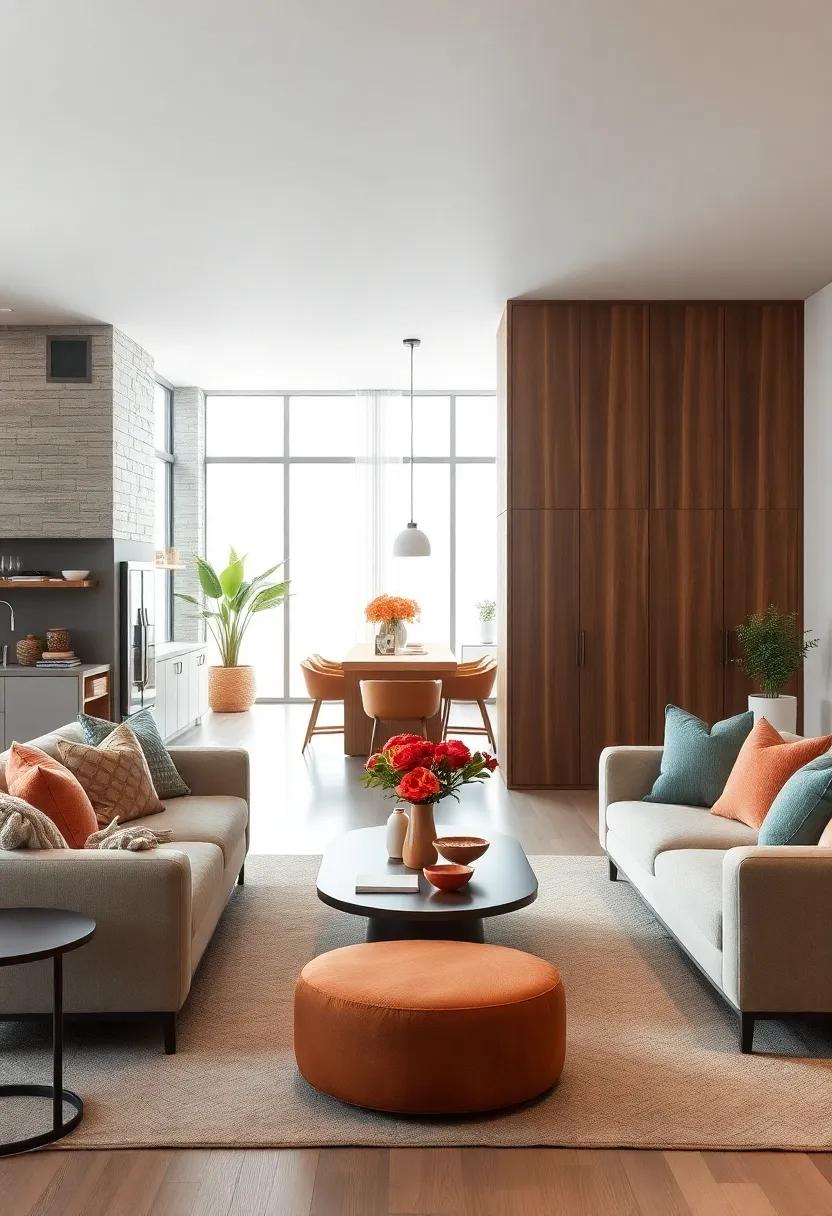
Maximizing vertical space is key in achieving a seamless and functional open concept kitchen and living room. By integrating cabinetry that extends upward, homeowners can harness the full potential of their walls.Consider using tall cabinets that reach the ceiling,which not only gives an illusion of height but also provides abundant hidden storage.When outfitted with pull-out shelves,accessing items stored at the back becomes a breeze,keeping your kitchen clutter-free and organized. These sleek designs ensure that everything from pots to pantry goods is easily reachable without the tedious task of digging through items stacked on top of each other.
To further enhance the overall aesthetic and functionality of your space, both open shelving and concealed cabinetry can be blended harmoniously. Utilize open shelves to display beautiful dishware or plants, while reserving the tall cabinets for less frequently used items. this balanced approach allows for creativity in decor and practicality in storage.A well-thought-out combination of materials, such as wood and metal, can elevate the design while harmonizing with the living area. Consider implementing the following elements in your cabinetry design to optimize both space and style:
| Feature | Benefit |
|---|---|
| Tall Cabinets | Utilize height for maximum storage capacity. |
| Pull-out Shelves | Easy access to hard-to-reach items. |
| Integrated lighting | Illuminates spaces for a welcoming atmosphere. |
| Mix of Textures | Add visual interest and charm to cabinetry. |
Layered Lighting: Incorporate ambient, task, and accent lighting to create a well-lit space that is functional and inviting at all times
To achieve a well-lit atmosphere that caters to various activities and moods, it’s essential to blend ambient, task, and accent lighting seamlessly. Start with ambient lighting, such as recessed ceiling fixtures or a stylish chandelier, which serves as the primary light source in your open space. This foundational layer provides an overall warm glow, setting the stage for the different activities that occur throughout the day. complement this with task lighting that illuminates specific work areas, such as under-cabinet lights to brighten countertops or pendant lights above the kitchen island. When positioned thoughtfully, these lights make food prep and cooking easier while adding layers to the overall design.
lastly, incorporate accent lighting to highlight architectural features, artwork, or decorative elements, enhancing the visual interest of your space. As a notable example, consider using sconces on walls to draw attention to a gallery of family photos or a unique piece of art that captures the eye. Additionally, LED strip lights under shelves or cabinets can provide a subtle yet modern touch. To integrate these elements harmoniously, think about the color temperature of your bulbs—mixing warm whites for ambiance with brighter cool tones for tasks can create a dynamic yet cohesive lighting plan. Ultimately, combining these different types of lighting effectively enhances both the functionality and the inviting atmosphere of your open concept kitchen and living room.
Use Mirrors Strategically: Hang mirrors to reflect light and create an illusion of more space, making the area feel larger and brighter
Mirrors can be your best ally when it comes to enhancing the sense of space in your open concept area. By strategically placing mirrors, you can not only amplify natural light but also create visually stunning focal points. Consider hanging a large mirror on a wall opposite a window to reflect the outdoor scenery, effectively bringing in the beauty of nature. Alternatively, using smaller mirrors in a gallery arrangement can add a touch of personality while still serving the purpose of light reflection.
When selecting mirrors, think about their shape and frame style to complement your overall décor. Experiment with different mirror placements: try mounting one above a console table in the hallway leading to your kitchen or incorporate mirrored accents into your furniture, like a coffee table or cabinet. Here are some ideas to keep in mind:
- Full-length mirrors: Great for creating the illusion of height.
- Mirrored furniture: Reflective surfaces can expand both your style and space.
- Decorative wall mirrors: Artfully designed mirrors can serve as both functional items and stunning artworks.
Personal Touches: incorporate family photos, artwork, or handmade decor that tells your story and makes the space uniquely yours

Transform your open concept space into a warm and inviting haven by incorporating personal elements that resonate with your family’s story.Family photos can be elegantly displayed on a gallery wall, showcasing cherished memories in various frames that complement your decor style. Consider mixing sizes and colors for a dynamic effect. Meanwhile, handmade decor such as quilted table runners or pottery created by family members can add a touch of warmth and creativity that mass-produced items simply can’t replicate. hang children’s artwork in a dedicated area or create a rotating display to keep the space feeling fresh and personal.
To take your decor a step further, consider creating a story wall where you can organise photos and artworks according to your family’s journey. Use a rustic bookshelf or a simple ledge to showcase these mementos, allowing for easy swapping as new memories are made. A small table can serve as a dedicated display area for seasonal decor or travel souvenirs, bringing a slice of your adventures into the everyday environment. The more personal touches you incorporate, the more your open concept kitchen and living room will feel like a true reflection of your family’s unique narrative.
| Personal Touch | Impact |
|---|---|
| Family Photos | Create warmth and nostalgia |
| Handmade Decor | Add character and creativity |
| Art Wall | Showcase your family journey |
| Seasonal Displays | Keep the space dynamic |
Flowing Materials: Use the same countertop materials in both the kitchen and living room to create continuity and unify the two spaces
One of the most effective ways to blend your kitchen and living room is by using the same countertop materials in both areas. This creates a seamless transition that ties the two spaces together, making the open concept feel cohesive and inviting.Popular materials that work beautifully in both settings include quartz, marble, and granite. These materials not only offer aesthetic appeal but also durability, ensuring that your design stands the test of time. When considering your choices, think about how the colors, patterns, and finishes of these countertops can echo the vibes of both spaces.
To enhance the flowing effect between your kitchen and living room, consider the following design elements:
- Color Coordination: Choose a countertop color that resonates with your living room decor.
- Textured Surfaces: Use textures that complement the furnishings in your living area for a balanced look.
- Lighting: Utilize similar light fixtures above kitchen countertops and in the living room to unify the spaces visually.
- Functional Display: Showcase kitchen items on the countertop that blend into the living area,such as decorative fruit bowls or chic storage jars.
Open Doorways: Avoid bulky door frames or consider removing doors altogether to enhance the openness and accessibility between rooms
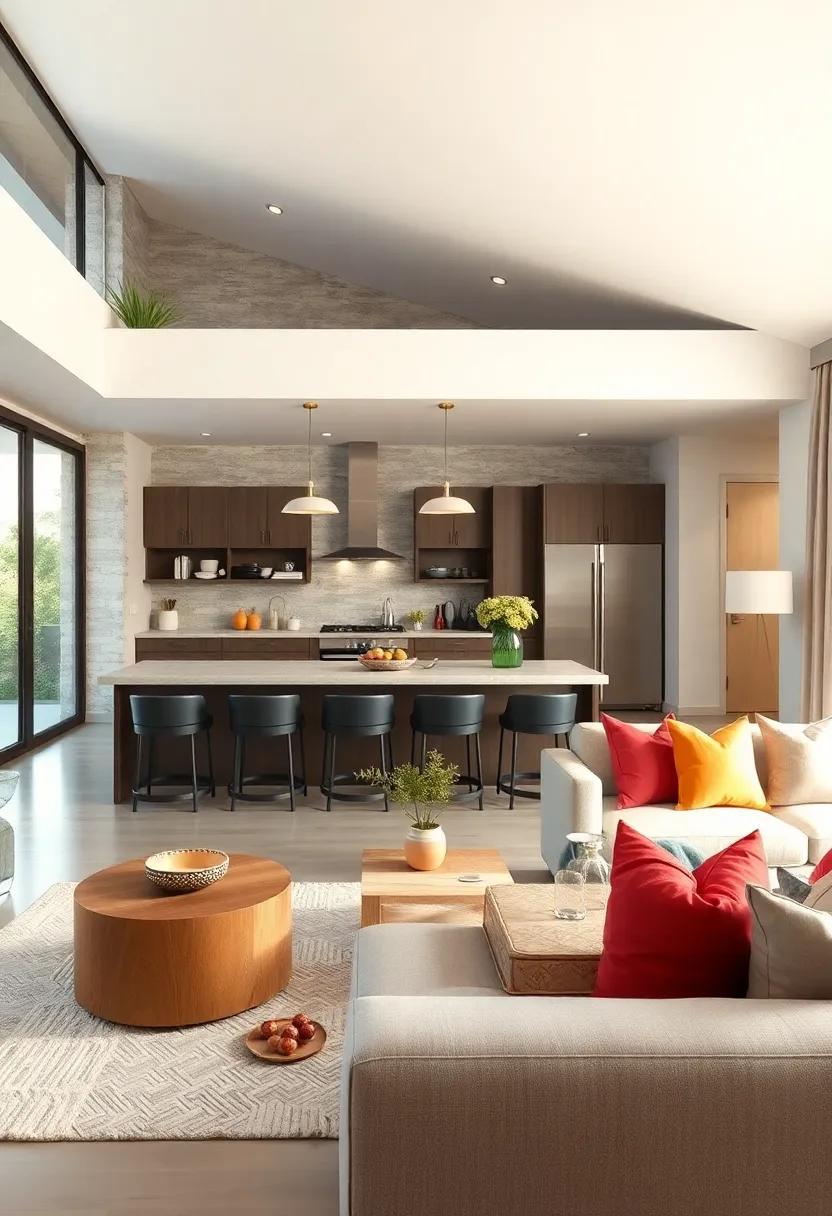
Embrace the beauty of fluidity in your spaces by eliminating bulky door frames that disrupt the seamless flow between rooms.Instead, consider expansive openings or arched transitions which not only enhance the visual connection but also bring in more natural light. A simple approach is to create a wide passageway that allows both the kitchen and living area to feel interconnected, giving you the sensation of a more expansive environment. when opting for this design, integrate similar colors and finishes across wall surfaces to further unify the ambiance.
For those who value accessibility and want to prioritize that in their design, removing doors altogether can create a bold statement. This choice enhances social interaction and allows for a truly open feel, making it easier to host gatherings and family activities. Here are some key benefits of this approach:
- Enhanced visibility: You can effortlessly keep an eye on both cooking and entertaining zones.
- Improved airflow: Increasing airflow by removing doors can definitely help maintain a fresh and comfortable atmosphere.
- Flexibility in layout: It opens up your options for furniture arrangements,creating more adaptable spaces.
By combining strategic design elements with an open layout, you promote an environment that encourages interaction and collaboration. Here’s a simple comparison table highlighting the pros and cons of keeping doors versus removing them:
| Aspect | Keeping Doors | Removing Doors |
|---|---|---|
| Privacy | High | Low |
| Light Flow | Limited | Maximized |
| Room Defined | Clearly Defined | Open Concept |
| Sound Control | Better Control | Less Control |
Ultimately, the decision should resonate with your lifestyle needs and aesthetic preferences, allowing your kitchen and living space to function as a harmonious unit.
Inviting Color Accents: Use colorful accessories like throw pillows and dishware to add pops of color while keeping a neutral overall palette
Infusing your open concept kitchen and living room with vibrant color accents doesn’t have to be overwhelming. By strategically choosing accessories, you can create delightful focal points that breathe life into a neutral palette. Consider dressing your space with an array of throw pillows in striking patterns and hues. Mix and match textures such as velvet, linen, and cotton to provide visual interest while maintaining a cohesive look. A collection of colorful dishware can serve both functional and decorative purposes, transforming ordinary kitchen items into art pieces displayed on open shelves or tables.
To elevate your design,think about adding other fun elements that complement your colorful accessories. As a notable example, a vibrant area rug can anchor your space, creating a seamless flow between the kitchen and living areas. Additionally, decorative vases filled with fresh flowers or bold branches can establish a lively atmosphere. Using a combination of these accents, you can curate a space that feels inviting and bright without overpowering the tranquility of your neutral themes.
Create zones: Designate specific zones for cooking, eating, and relaxing within the open layout to provide functional separation without closing off the space
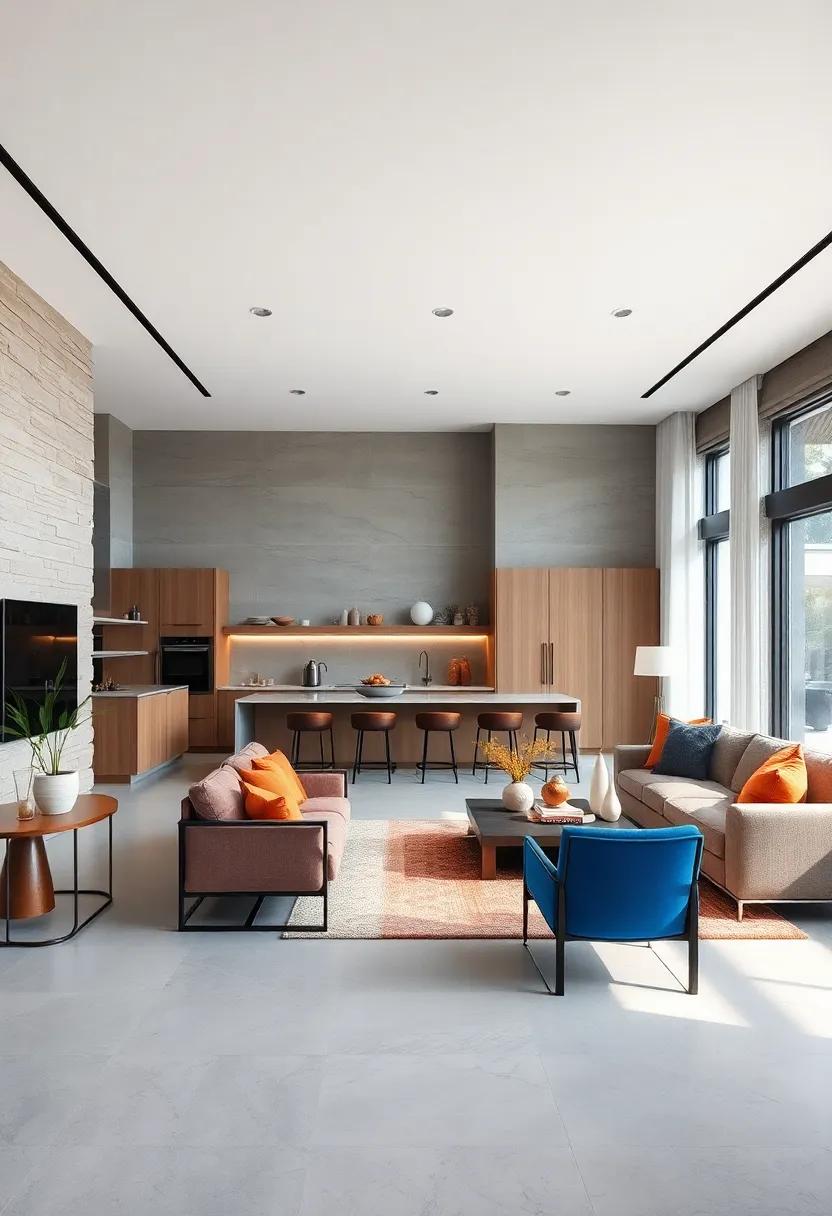
One of the best ways to enhance the functionality of your open concept space is by creating distinct zones that serve different purposes. This can be achieved through various design elements such as furniture arrangements,area rugs,and even lighting. As an example, you can position a cozy sectional sofa to create a relaxed lounging area, while a stylish dining table can clearly define the eating zone. To further delineate these spaces, consider using area rugs to anchor each zone, giving them a defined visual border that separates them without erecting walls.
Another innovative approach is to incorporate partitioning elements that enhance the flow while maintaining a sense of openness. Options for this can include bookcases, sliding screens, or potted plants, which provide a subtle divide without sacrificing the airy feel of the room. These boundaries can help in organizing activities—think of a countertop bar with stools for casual dining adjoining the kitchen, while a comfy chair and side table nook promotes relaxation. The key is to design each area to complement the others while ensuring that each zone feels inviting and purposeful.
Seasonal Decor Changes: Refresh the decor seasonally to keep the space feeling new and inspired,using simple elements like throw blankets or floral arrangements
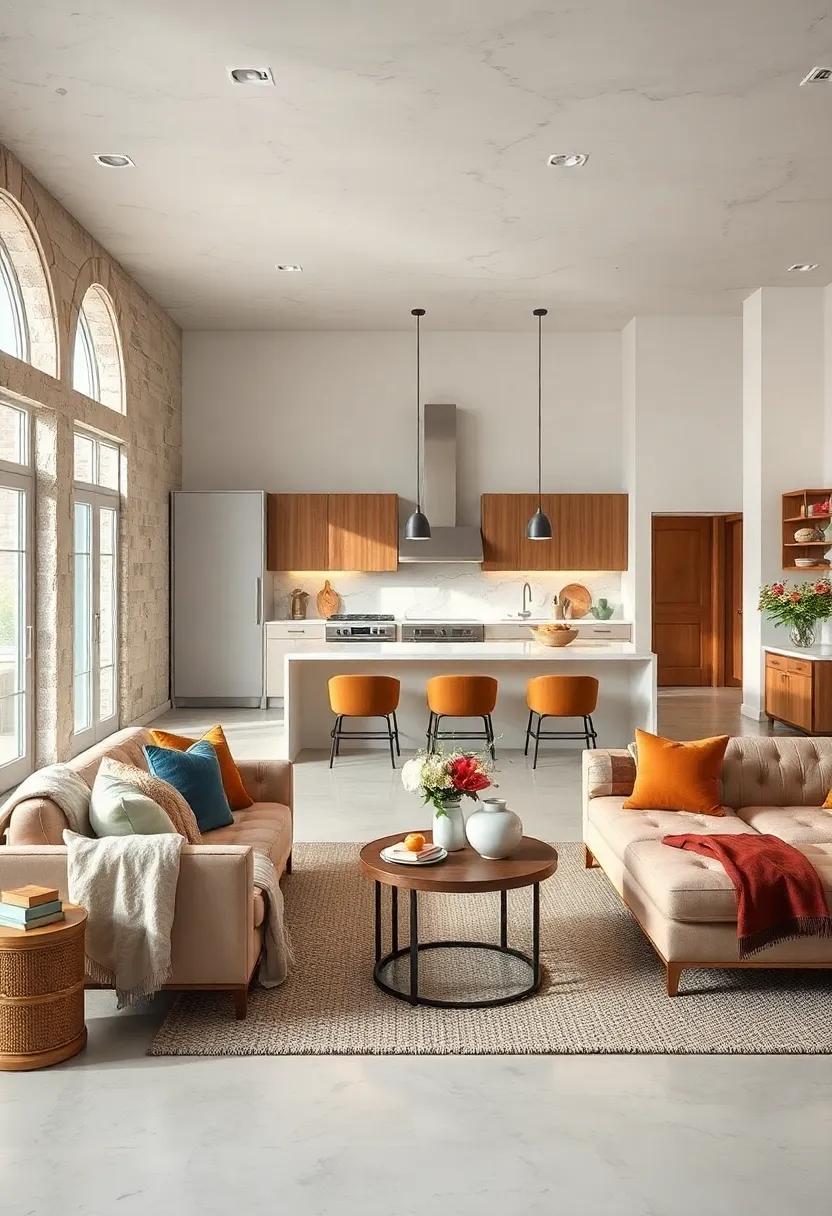
Transforming your open concept kitchen and living room seasonally can breathe new life into your space. Incorporate simple elements that reflect the season’s colors and textures to maintain an inviting atmosphere. For instance, swap out your everyday throw blankets for cozy, warm-toned fabrics in the fall, and transition to lighter, airy materials in the spring. Adding seasonal floral arrangements is another effortless way to refresh your decor. Consider using a tall vase for vibrant sunflowers in summer and a low arrangement of evergreen sprigs during winter.
When it comes to decor changes,details matter. Here are some easy additions to consider throughout the year:
- Autumn: Use pumpkin centerpieces and deep-hued cushions.
- Winter: Incorporate soft, knitted throws and small evergreen branches.
- Spring: Add pastel-colored table runners and fresh tulips.
- Summer: Introduce summery prints on cushions and citrus-inspired centerpieces.
minimalist Approach: Consider a minimalist design ethos that emphasizes simplicity, allowing the beauty of the space to shine through without distractions
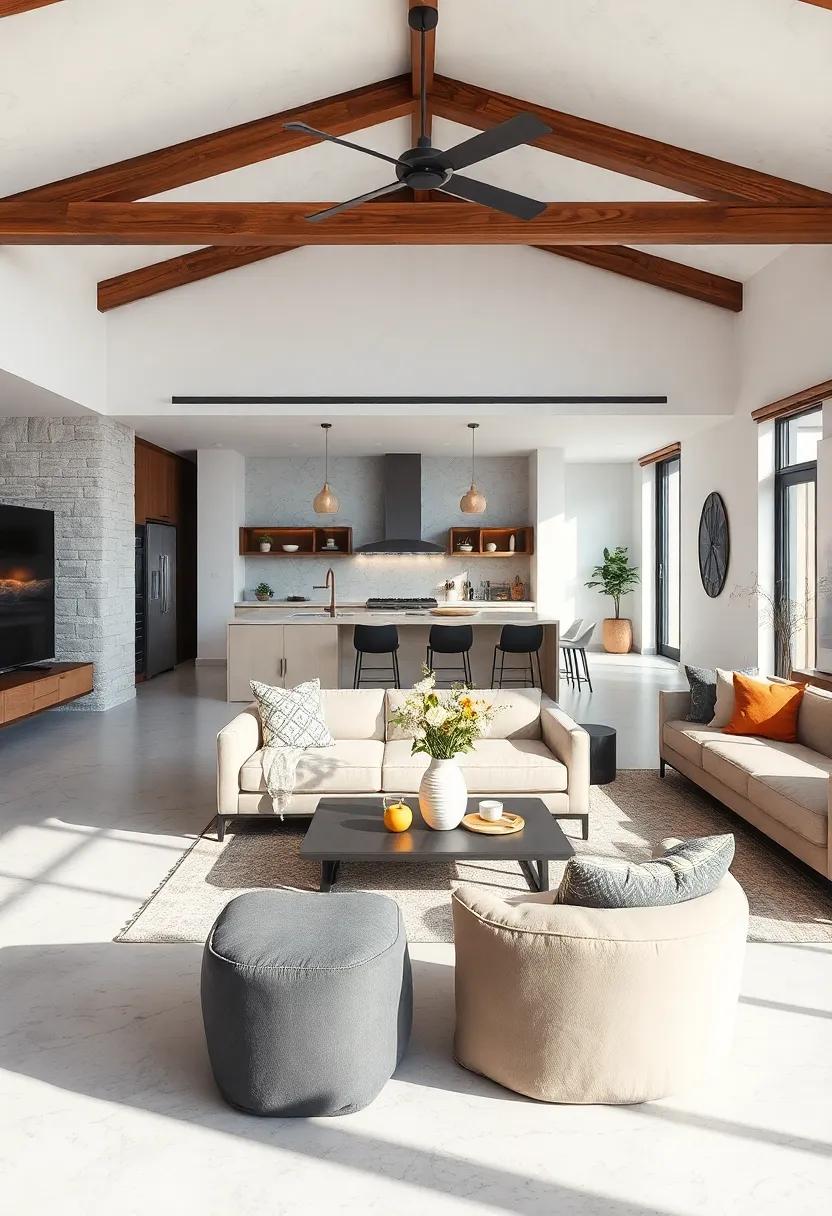
Embracing a minimalist design ethos in your open concept kitchen and living room can create a calming,harmonious environment that invites relaxation and creativity. By stripping away unnecessary elements, you can showcase the inherent beauty of your space, allowing each carefully chosen piece to stand out. Here are some key elements to consider:
- Neutral Color Palette: Opt for soft hues that promote tranquility, such as whites, grays, and beige, allowing for a seamless flow between spaces.
- Sleek Furniture: choose furniture with clean lines and functional designs, prioritizing quality over quantity to create a clutter-free area.
- Open Shelving: Incorporate open shelving to display essential kitchen items, merging functionality with aesthetics while eliminating bulky cabinets.
- Single Statement piece: Select a standout piece, like a striking island or a modern light fixture, that draws the eye without overwhelming the decor.
To further enhance this approach, consider integrating multi-functional elements that serve a dual purpose while minimizing visual noise. these functional elements can create an effective use of space without compromising style:
| Function | Example |
|---|---|
| Seating & Storage | Benches with hidden compartments |
| Display & Maintenance | Magnetic knife strips |
| Cooking & Prep | Island with integrated cooktop |
by thoughtfully combining these elements, you’ll cultivate a serene and inviting atmosphere where simplicity is celebrated, allowing the open concept layout to become a true reflection of your style and lifestyle.
Insights and Conclusions
As we wrap up our journey through these 25 inspiring ideas for perfecting your open concept kitchen and living room design,we hope you’re feeling motivated and ready to transform your space.Each suggestion serves as a stepping stone to not only enhance the aesthetics of your home but also to create a harmonious flow that invites warmth and connection.
Remember, the heart of your home lies within the delicate interplay of functionality and style. Whether you’re embracing bold colors,integrating smart storage solutions,or carefully selecting lighting fixtures,it’s all about reflecting your personal style while fostering an inviting atmosphere for family and friends.
Let these ideas spark your creativity and inspire you to dream big. After all, your open concept space can be a canvas where innovation meets comfort, allowing you to create the perfect backdrop for countless memories. Happy designing!